The Case for a Hope Shelf: Why Visible Evidence of Hard Seasons Belongs in Your Home
Every January, people make a case for clearing out the clutter. Every November, the clutter gets a little more sentimental. A ticket stub, a card, a photo that did not make the framed wall. The instinct to purge is understandable. But there is one small collection that deserves to stay: the evidence that you have been through hard things before and come out the other side.
Call it a hope shelf.
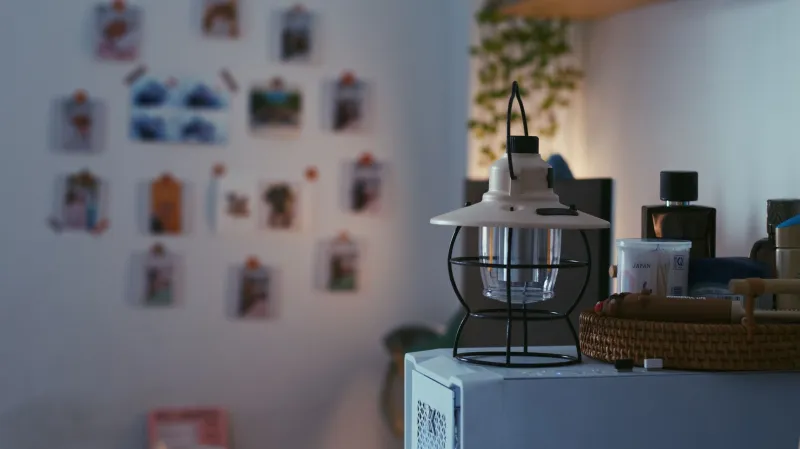
A hope shelf is not a fancy wellness product. It is a small, deliberate place where you keep reminders that better days are real. It can be a physical shelf, a shoebox, a bulletin board, a folder on your phone, or a note in your journal. The form matters less than the visibility. The idea is simple: optimism is easier to practice when it is not only in your head.
The shelf is not a shrine to good vibes
Let us be clear about what a hope shelf is not. It is not a vision board that insists everything is amazing. It is not a place to collect inspirational quotes about hustle. It is not proof that you have never struggled. In fact, the opposite is true. A hope shelf works because it includes the hard seasons, not because it pretends they never happened.
A photo from a rough year can be evidence. A note you wrote after a breakup can be evidence. A program from a graduation, a hospital bracelet you kept, a card from a friend who showed up when you did not know how to ask. These objects say: this was hard, and I was still here. That is not toxic positivity. That is memory doing its job.
Why visible matters more than internal
When you are in a hard season, your brain is not a neutral narrator. It tends to highlight the current problem and edit out the times you got through something similar. It is not a character flaw. It is just how attention works. Stress narrows the view.
A hope shelf widens it back. A visual cue can interrupt the story that says things have always been this bad. You see a photo of yourself laughing in a month you remember as impossible. You see a note that says you made it through the winter of whatever. You see a small object from a trip you almost canceled. The reminder does not fix the problem. It just makes the problem less total.
This matters especially during the darker, busier months of the year. In the US, the stretch between Thanksgiving and New Year can be a lot: more obligations, less daylight, higher expectations, and a calendar that seems to multiply on its own. A hope shelf is a small counterweight. It is not a solution to seasonal blues or grief or burnout. But it is a practical reminder that your current chapter is not your whole story.
What belongs on a hope shelf
The best hope shelf is specific to you, which is another way of saying it will not look good on a home tour. That is fine. Start with five to seven things. A photo of a person or place that made you feel like yourself. A note from a friend. A small object from a trip or a season that mattered. A card from a mentor. A ticket stub from a night that felt like a turning point. A list of things you were worried about last year that no longer keep you up at night.
You do not need a label maker. You do not need to explain the shelf to guests. If someone asks, you can say it is a collection of things you like. That is true. The deeper truth is that it is a collection of evidence.
The digital version counts
Not everyone has shelf space. Not everyone wants their past on display. A digital hope shelf is just as real. Make an album in your phone called Hope Shelf. Save screenshots of kind texts. Keep a note with a few lines about a hard season you survived. Take photos of the physical objects that matter and keep them in one folder. The key is to make it easy to find, not buried under ten thousand screenshots of recipes and receipts.
You can also make it seasonal. Rotate a few items in and out. In November, put out the things that remind you of getting through past winters. In summer, switch to evidence of rest and play. The shelf does not have to be permanent to be useful. It just has to be visible when you need it.
How to keep it from becoming clutter
A hope shelf becomes clutter when it turns into a random pile of guilt. You do not need to keep everything. The test is not whether an object is sentimental. The test is whether it tells the truth about your resilience. If a note makes you feel worse every time you see it, it does not belong on the shelf. If a photo was taken during a hard time but reminds you that you were loved, it might.
Keep the collection small. Edit it once or twice a year. Dust it. Let it change. The shelf is not a museum of your best moments. It is a working reminder that you have a track record of getting through things.
A small ritual for the dark months
As 2026 winds down, try this: set aside ten minutes and build a starter hope shelf. It can be one corner of a bookshelf, one shoebox, one phone album. Put five things in it that prove you have survived something. Then put it somewhere you will actually see it. Not the back of a closet. Not a folder called misc. Somewhere your eyes land when you are tired.
Optimism is not a personality trait you either have or you do not. It is a practice, and practices need reminders. A hope shelf is one of the simplest ones. It does not ask you to pretend. It asks you to remember. That is a small thing, but small things are how we make it through the darker months. And sometimes, a shelf is enough to help you see the next good day coming.