The Doorknob Pause: Three Slow Breaths to Change the Temperature of a Room
Most of us cross dozens of thresholds a day without noticing. Bedroom to hallway. Hallway to kitchen. Car to office. Office to meeting room. Then, during the holidays, kitchen to living room where six relatives and a cheese board are waiting. The doorway is just architecture—until you decide to make it a pause.
The doorknob pause is simple: before you enter a room, take three slow breaths and choose one intention for the next few minutes. That is it. No app, no cushion, no perfect streak. You are not trying to become a different person. You are trying to arrive in the room you are already walking into.
Why a doorway works so well
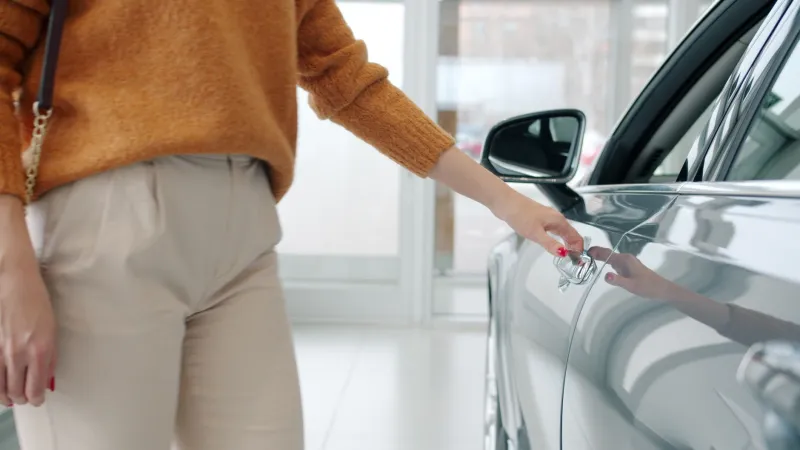
A doorway is a built-in transition. It already tells your brain that something is changing: outside to inside, work to home, public to private, alone to together. Pairing a breath with that change gives the pause a physical cue. You do not have to remember to meditate at 3 p.m. You just have to notice your hand on the knob.
Three breaths is short enough to be realistic. It is also long enough to interrupt the autopilot sprint from one task to the next. The goal is not calm perfection. The goal is a tiny gap between stimulus and reaction—a gap where you get to choose your tone.
The ten-second version
Try this the next time you reach a door:
- Rest your hand on the knob or frame and feel the surface.
- Take one slow breath in. Let the exhale be a little longer.
- Take a second breath. Drop your shoulders if they are up by your ears.
- Take a third breath. Pick one word for how you want to enter: curious, warm, steady, patient, present, or even just quieter.
- Open the door and let the intention go. You do not have to keep repeating it. The breath already did its small work.
If you forget, you have not failed. The next doorway is available. That is the beauty of a cue that exists everywhere.
At home: the kitchen threshold
For a lot of people, the kitchen doorway is where the workday crashes into family life. You walk in with a laptop bag in one hand and a mental list in the other, and suddenly someone is asking what is for dinner.
Try a pause at that threshold. Three breaths. One word: present. Or: listen. Or: no phone for the first two minutes. It will not make dinner appear. It will make you less likely to answer a simple question like a fire alarm.
This works before entering a room where your teenager is wearing headphones, before walking into a partner's home-office corner, and before stepping onto the porch where a neighbor wants to chat. The pause does not change the other person. It changes the temperature you bring.
At work: meetings, cubicles, and the return to your desk
Doorways at work are everywhere, including the imaginary ones. You can pause before a meeting room, before a video call, or before you turn from one project to the next.
Use the same three breaths and choose a work-sized intention: listen first. Ask one clear question. Do not solve everything. Finish one thing before switching. These are small instructions, but they beat the vague pressure to be impressive.
Before you enter a meeting that feels tense, try the doorknob pause in the hallway. Three breaths. One word: steady. Then walk in. You are not responsible for controlling the whole room. You are responsible for how you show up in it.
During tense family gatherings
The holiday season has a way of putting every doorway on high alert. The kitchen doorway before a political conversation. The living room doorway before an aunt asks why you are still single. The front door before a long day of being perceived.
Here, the pause is not about pretending everything is fine. It is about choosing your next move. Three breaths. One intention: stay curious. Or: protect my energy. Or: do not take the bait. Then enter with your eyes open.
You can also pair the pause with a graceful script. Before walking into a charged room, decide on one sentence you can use if you need an exit: I am going to grab some water. I need to check on the oven. I am going to say hi to the dog. The breath buys you a second. The sentence buys you a minute.
If you feel rushed, reactive, or socially drained
You do not have to do the full version every time. Adapt it.
If you are rushed, take one breath and pick one word. That counts.
If you are reactive, make the exhale longer than the inhale. Silently name the feeling—frustrated, embarrassed, cornered—and then choose one small action that does not make the moment worse.
If you are socially drained, use the pause to choose one conversation instead of trying to work the whole room. Three breaths. One intention: find the quiet cousin. Or: leave after dessert. Or: ask one real question instead of performing small talk.
What this is not
The doorknob pause is not a magic trick. It will not fix a difficult family dynamic or make a stressful job feel easy. It is not a substitute for rest, therapy, or a real conversation about boundaries. It is a tiny transition habit—a way to stop carrying the last room into the next one without noticing.
And because it is tiny, it is repeatable. You can do it badly. You can do it for one doorway a day. You can do it in the car before you walk into the grocery store. The point is not to be calm all the time. The point is to give yourself a ten-second doorway between who you were a moment ago and who you want to be when you walk in.
This holiday season, try it once. Hand on the knob. Three slow breaths. One word. Then open the door and see what changes.